Curry, curry, and more Indian wine?
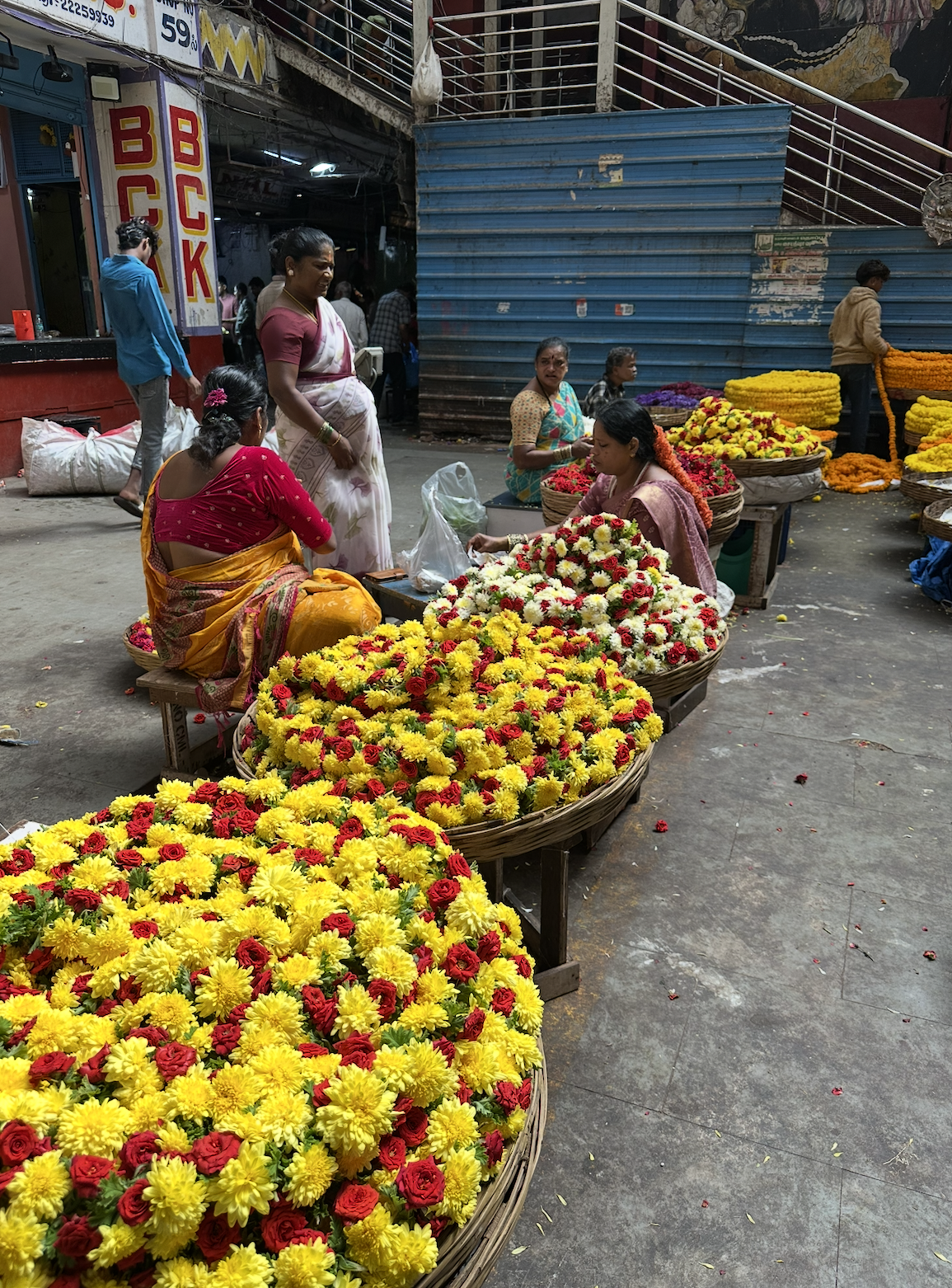
I recently traveled to Bangalore, India, for my full time job and spent 10 days experiencing Southern Indian culture, cuisine, fashion and, of course, the TRAFFIC!
It was amazing to connect with my coworkers in person and get a better understanding of their culture firsthand. The architecture, traditions and daily routines were different from so many of the places I’ve traveled before, and there was a lot to take in.
One of my favorite parts of the trip was definitely the food.
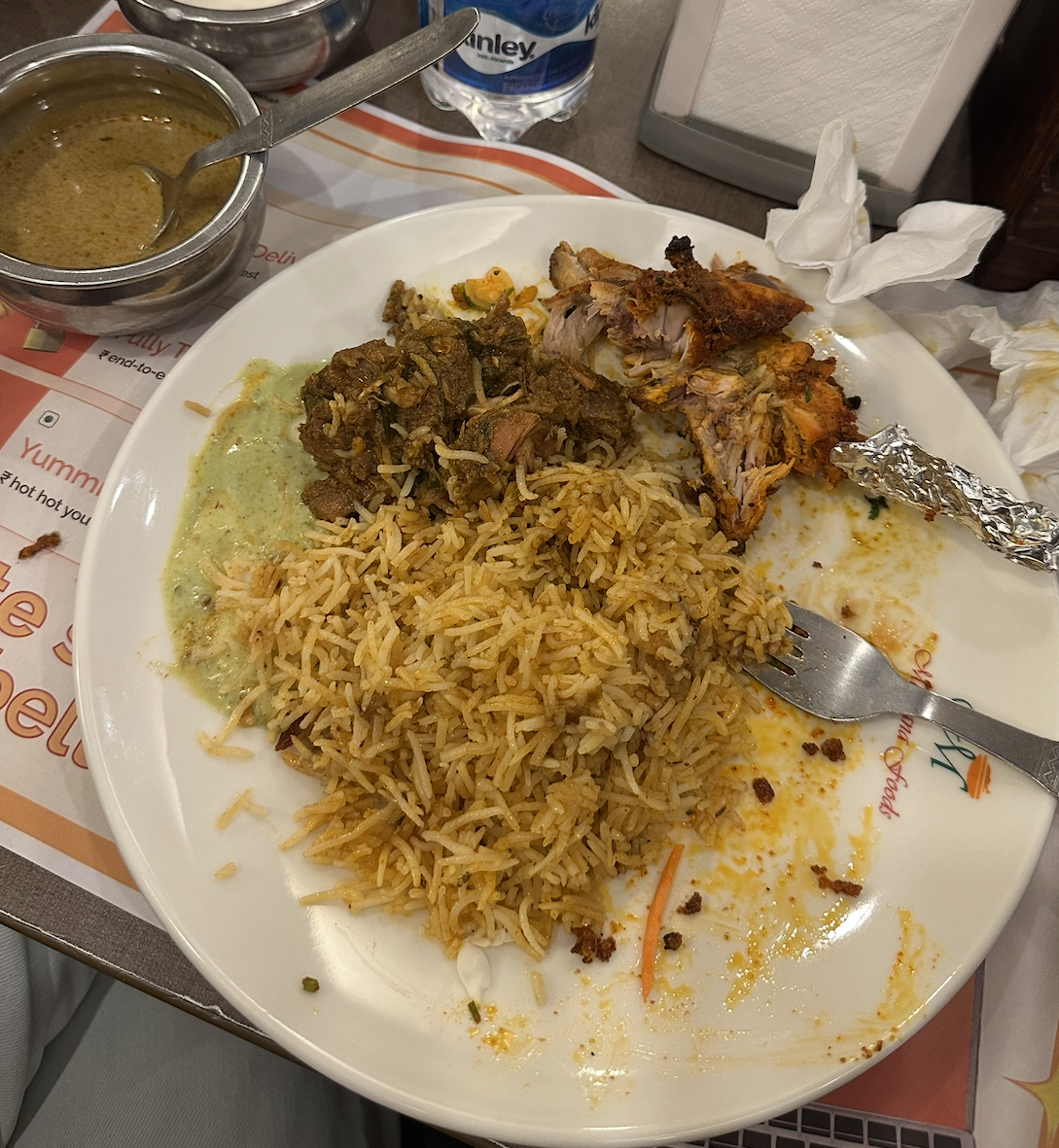
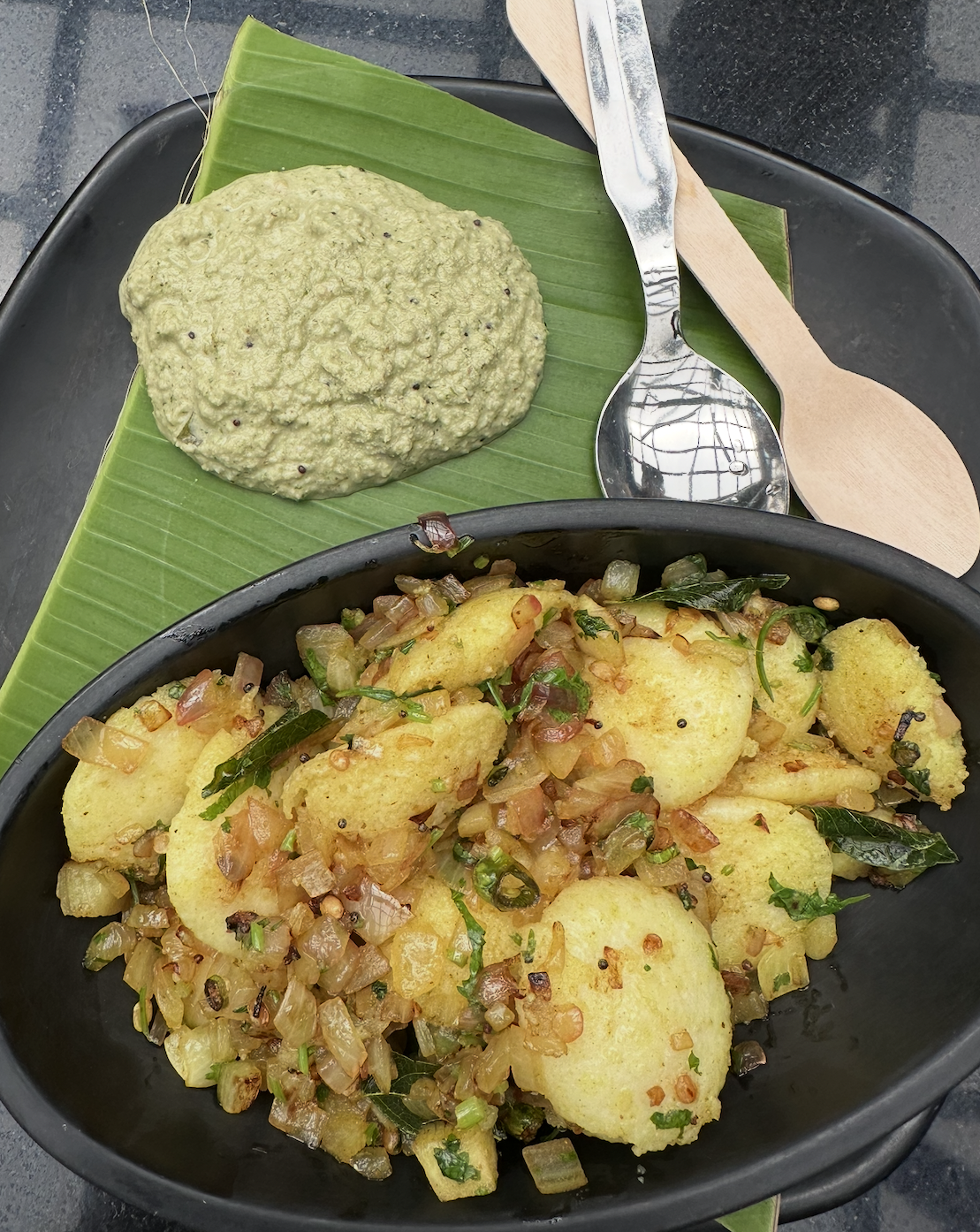
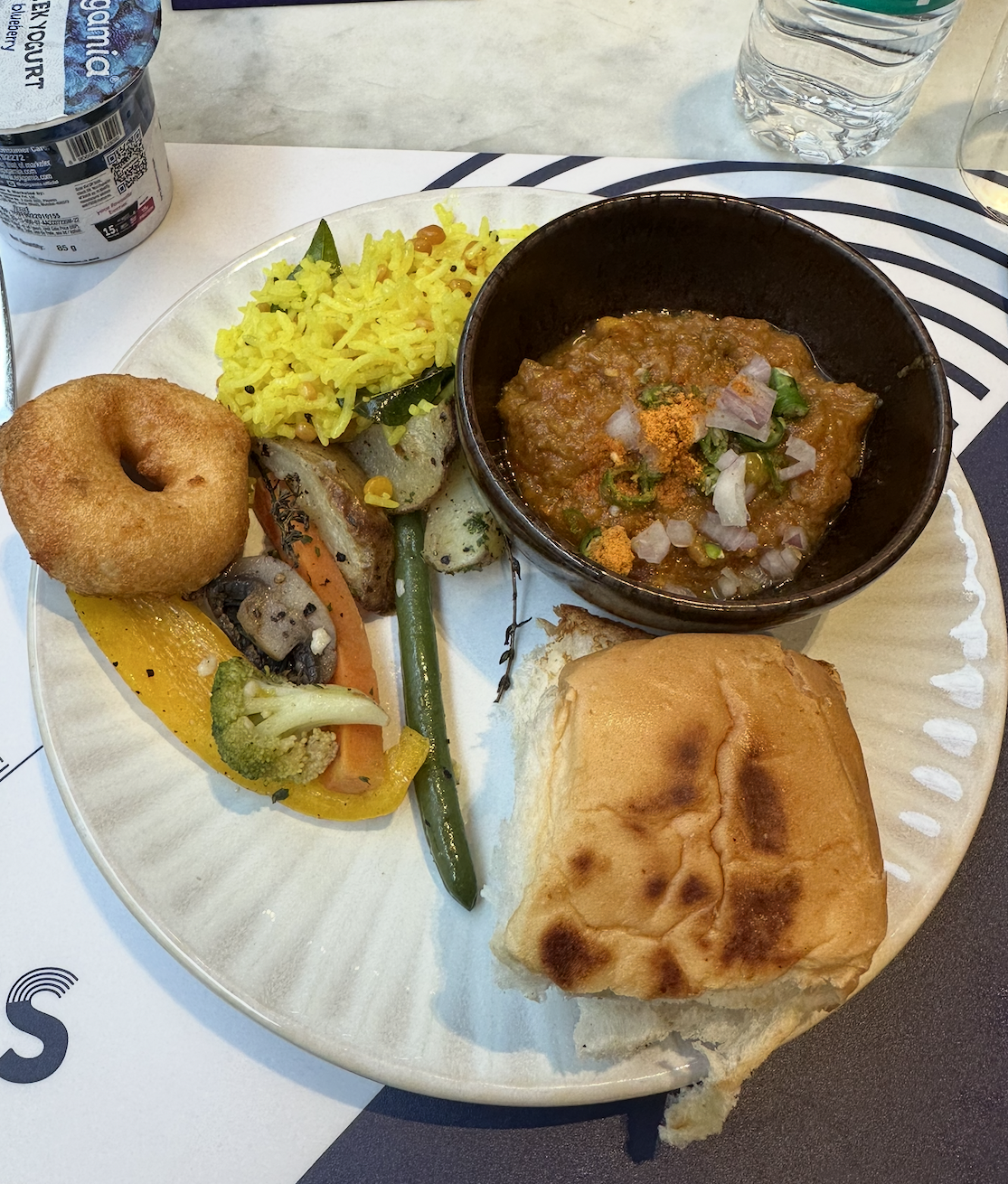
I had the chance to try so many different curries and dishes while I was there. Spicy, sweet, rich, creamy, red, green, dry, saucy and just about everything in between. Indian cuisine has an incredible range of flavors, which makes it delicious to eat but sometimes a little tricky to pair with wine.
So today, I’m sharing a few of my favorite tips for pairing wine with Indian food. And if you’re curious about wine made in India, stay tuned to the end. I’ll also share a little about the Indian grapes and wines I tried during my visit!

Why is Indian food tricky to pair with wine?
Indian cuisine often layers several powerful flavors into a single dish. You may have heat from chilies alongside aromatic spices, acidity, sweetness, creaminess and herbs. A delicate wine can easily get lost against all of that flavor.
It’s also important to remember that when pairing wine with food, you’re often pairing the wine with the sauce and spices rather than the protein itself.
For example, chicken in a rich tomato based curry needs a very different wine than chicken served in a creamy, herbaceous green sauce.
With that in mind, here are four simple tips for choosing a bottle to go with your favorite Indian dishes.
Top Wine Pairing Recommendations for India Food
Spicy food goes well with an off-dry (or slightly sweet) wine. The spicier the food, the sweeter the wine! A sweet Riesling or off-dry sparkling wine is a great pairing with most spicy Indian dishes. Look for a sparkling wine that says “demi-sec” our “doux” as these will have more sweetness than a “brut” or “dry”.
Tomato based curries pair well with certain red and rosé wines because of the acid and rich oils of the tomato sauce. Try gamay, grenache, and new world Syrah/ Shiraz or Pinot Noir. The key is to avoid any heavy reds that are tannic and might fight with the spice. Look for fruity and good acidity.
Lower ABV wines are great with spicy foods because higher alcohol will turn up the spice on your palate. Look for lower ABV whites or rosé to tone down the spice.
Lastly, wines that are known for strong floral, herbal, and spice notes pair well with curries and heavily spiced foods. That’s why most people will recommend Gewüztraminer with Asian foods because it is very aromatic and is known for it’s spicy characteristics. You can also experiment with other aromatic whites like Riesling, Viognier or even Albariño.
Ultimately, pairing wine with Indian food doesn't have to be complicated. Look for wines with bright acidity, lots of aroma, moderate alcohol and, when there's plenty of heat, a touch of sweetness.
And don't be afraid to experiment. With as much variety as there is in Indian cuisine, there certainly isn't one perfect bottle for every dish.
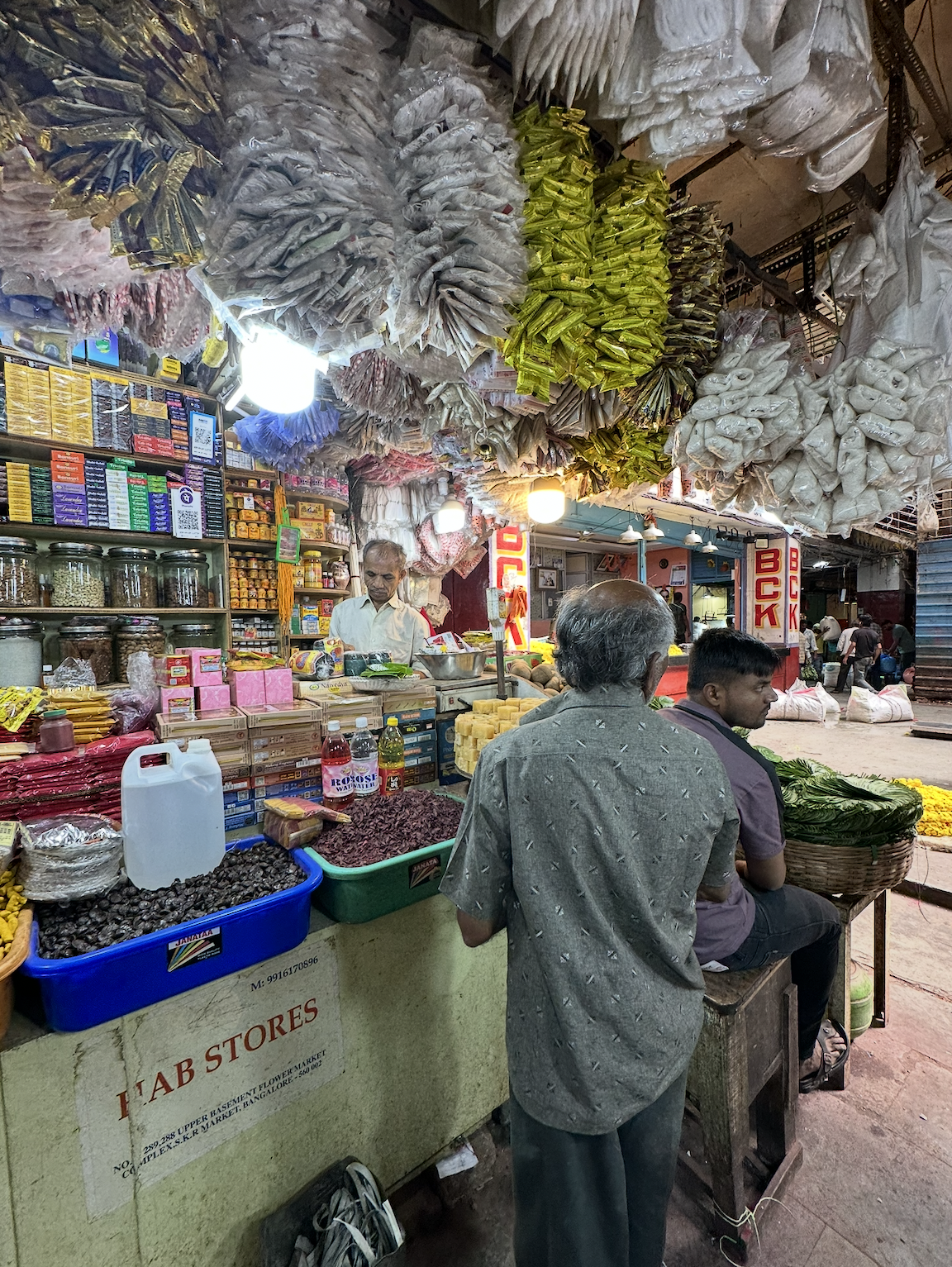
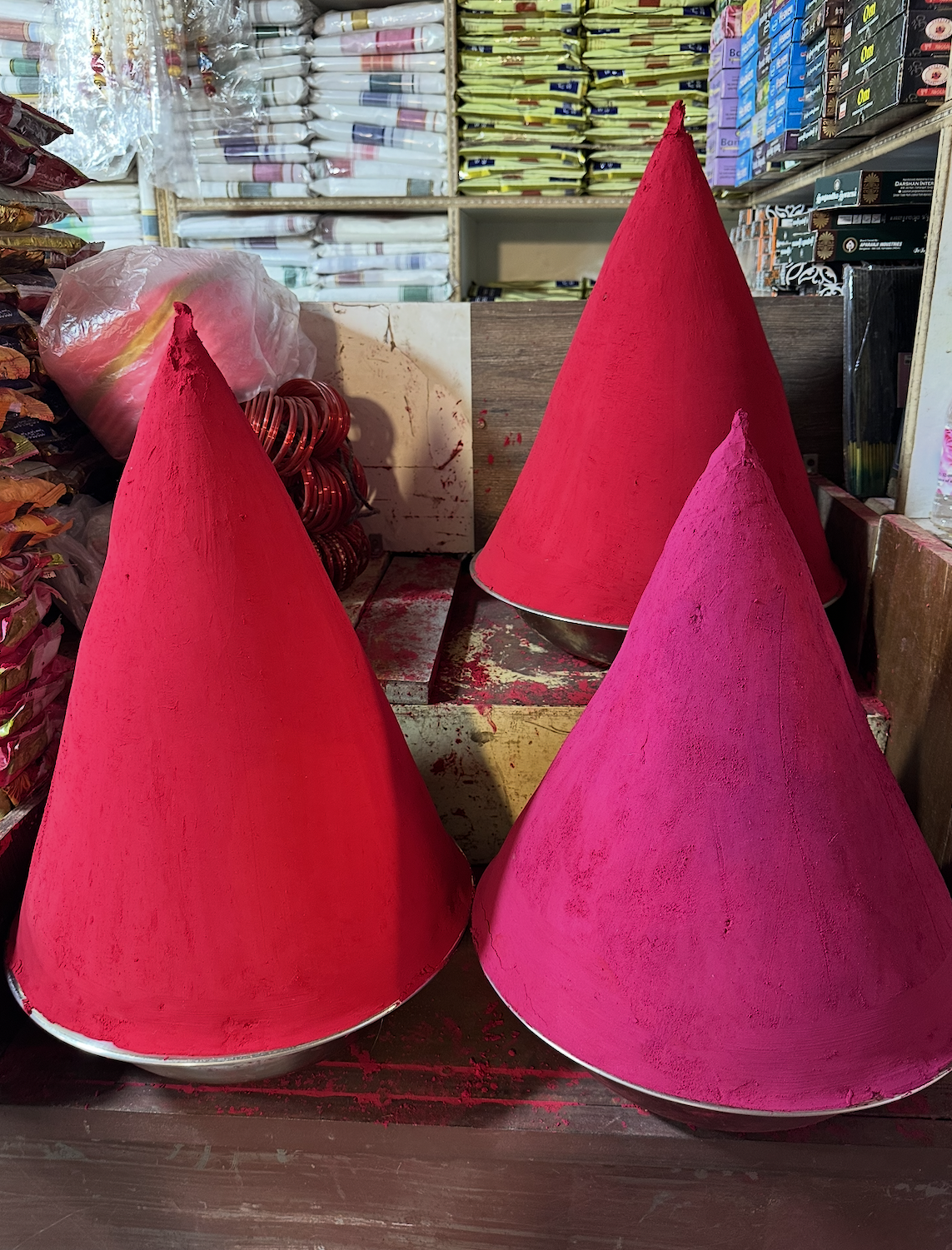
Local Indian Wines
While visiting Southern India, I also had the chance to try wines from a few of the country’s major producers. I was really curious to see what Indian wine tasted like, especially since it’s not something we see very often in the United States.
India grows a surprisingly wide variety of grapes, although finding truly indigenous wine grapes is a little more complicated. Phylloxera devastated vineyards around the world in the 19th century, including parts of India, and today many Indian wineries focus on familiar international varieties. Sauvignon Blanc, Chenin Blanc, Cabernet Sauvignon and Syrah are just a few of the grapes you’ll find, and India’s modern wine industry has grown significantly over the past couple of decades. Of course, growing wine grapes in India comes with some unique challenges. Much of the country’s wine production takes place in warm climates where traditional European growing cycles simply don’t apply. Grapevines typically rely on a period of dormancy between growing seasons, but in warmer parts of India, growers have had to adapt their vineyard practices to a climate that doesn’t provide the same cold winter rest you would find in places like France, Italy or even Napa Valley.
And that warm climate definitely came through in the wines I tasted.
To be completely transparent, I wasn’t particularly impressed by the wines I tried on this trip. Many showed characteristics I associate with grapes grown in very hot climates, including extremely ripe fruit and less of the freshness and acidity I typically look for in a balanced wine. That said, I only tasted a small sampling of what India produces, so I certainly can’t judge an entire emerging wine region from a handful of bottles. The Indian wine industry is still relatively young, and producers are continuing to learn which grape varieties, vineyard sites and winemaking techniques work best in such a distinctive climate.
I think it will be interesting to watch Indian wines. I didn’t find a bottle on this trip that I’d rush out to buy again, but I’m curious to see how the industry evolves over the next decade.